
Basset Hound Bliss: Unraveling Their Unique Charm and Care Needs
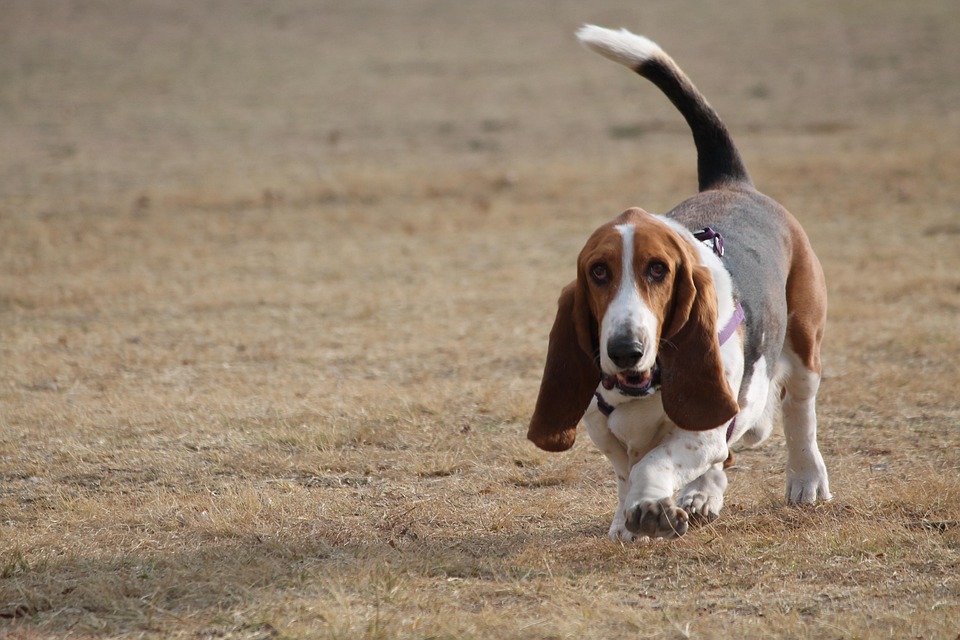
Basset Hounds are distinctive, lovable dogs known for their droopy ears, soulful eyes, and laid-back demeanor. With their short legs and long bodies, these canine companions are more than just a charming breed; they offer unique traits and characteristics that make them special for families and individuals alike.
Overview of the Breed
History
The Basset Hound has its origins in France and is a descendant of hounds specifically bred for hunting. Their name comes from the French word “bas,” meaning “low,” which aptly describes their stature. These gentle giants were originally used to track small game, thanks to their incredible sense of smell and persistence. Today, while they are less commonly used for hunting, Basset Hounds are beloved family pets known for their affectionate nature.
Temperament and Personality Traits
Basset Hounds are generally known for their friendly and easygoing temperament. They are often affectionate and great with children, making them a popular choice for families. However, they can be quite stubborn. Their independent nature means they might not always immediately follow commands, requiring patient training.
Here are some key personality traits:
- Affectionate: Basset Hounds enjoy human company and tend to form strong bonds with their owners.
- Gentle: They are typically good-natured and can get along well with other pets.
- Curious: Their hunting background makes them inquisitive explorers, often following scents wherever they lead.
- Loyal: Bassets are faithful companions that thrive on companionship from their humans.
Grooming Needs
Basset Hounds are relatively low-maintenance when it comes to grooming, but they do have specific needs. Due to their droopy skin, regular cleaning of their ears is essential to prevent infections. Their short coat requires minimal brushing—just once a week should suffice to keep them healthy and remove loose hairs. Bathing should be done every couple of months or as needed.
Health Considerations
Despite their adorable looks, Basset Hounds are prone to certain health issues. Common concerns include:
- Ear infections: Their long, floppy ears can trap moisture and dirt, making regular cleaning important.
- Obesity: Basset Hounds love to eat, so maintaining a healthy diet and regular exercise is crucial.
- Hip dysplasia: Joint issues are common, so routine veterinary check-ups are essential.
It’s worth noting that a commitment to a healthy lifestyle can significantly improve a Basset Hound’s quality of life.
Suitability for Different Types of Households
Basset Hounds can thrive in many different households. They adapt well to both apartments and homes with yards, as long as they receive regular exercise. Their friendly demeanor makes them suitable for families with children and those who have other pets. However, their stubborn streak may not be ideal for first-time dog owners who don’t have experience in training.
Training Tips
Training a Basset Hound can be a rewarding experience if approached with patience:
-
Be Consistent: Use the same commands and praise them regularly to encourage positive behavior.
-
Positive Reinforcement: Use treats and praise as rewards; this is effective for a breed known for its love of food.
-
Keep Sessions Short: Training should be fun! Keep sessions brief to maintain their interest and attention.
-
Socialization: Expose your Basset Hound to various environments, people, and other pets during their formative months to promote a well-adjusted dog.
emotional support animals: An Overview
An emotional support animal (ESA) is a pet designated to provide comfort and emotional support to their owners. Unlike service animals, ESAs do not require specialized training to perform specific tasks related to a disability. Instead, they offer companionship and a calming presence that can significantly improve mental health.
Benefits of Having an ESA
Many people benefit from designating their pet as an ESA. The companionship of dogs and cats can alleviate feelings of loneliness, provide emotional stability, and serve as a source of unconditional love. For individuals facing anxiety, depression, or other mental health challenges, having an ESA can make a substantial difference in their lives.
Real-Life Examples
-
A college student may find it tough to cope with the pressures of school. Their Basset Hound serves as a steadying influence, helping them relax and stay focused.
-
A retiree might struggle with feelings of isolation after losing a spouse. Their loyal companion not only provides comfort but also encourages them to engage with the world through daily walks.
Key Information
- Temperament: Affectionate, gentle, and stubborn.
- Grooming: Minimal, but regular ear care needed.
- Health: Prone to infections, obesity, and hip dysplasia.
- Household Suitability: Great for families, adaptable to various living situations.
- Training: Encourages consistent, positive reinforcement methods.
How Dogs and Cats Provide Emotional Support
The bond between humans and pets is well-documented, with numerous studies highlighting the emotional and psychological benefits of having an animal companion.
The Science and Psychology
-
Reduced Stress: Interaction with pets can lead to lower cortisol levels, reducing anxiety and stress in their owners.
-
Increased Oxytocin Levels: This “love hormone” is released during interactions with pets, promoting feelings of affection and bonding.
-
Enhanced Mood: The presence of a pet can improve general mood and reduce feelings of loneliness, as pets often serve as a source of unconditional love and support.
-
Routine and Responsibility: Caring for a pet provides structure and purpose, which can be especially beneficial for those dealing with mental health issues.
FAQs About Emotional Support Animals
-
What qualifies a pet to be an ESA?
- Any domesticated animal can be an ESA, but dogs and cats are the most common. They must provide emotional support to an individual.
-
Do I need a special certification for my pet to be an ESA?
- While there’s no official registration, having an ESA letter from a mental health professional can help in housing and travel situations.
-
Can my ESA accompany me on flights?
- As of recent regulations, most airlines require ESAs to be trained service animals. Always check with your airline for specifics.
-
Can I take my ESA into public places?
- Unlike service animals, ESAs do not have the same rights to enter public places. Always check local laws for any exceptions.
-
Can emotional support animals help with anxiety and depression?
- Yes! ESAs can provide companionship, alleviate feelings of loneliness, and help ease anxiety and depression.
Conclusion
Basset Hounds are not only charming companions but can also play a vital role in emotional support. Their gentle, affectionate nature can help enhance the well-being of their owners. If you or someone you know could benefit from designating a pet as an Emotional Support Animal, consider exploring the options available through certified organizations.
Veripaw.org has been connecting pet owners with licensed mental health professionals since 2012. They offer ESA documentation and access to quality pet accessories, ensuring you and your furry friend have everything you need for a happy, supportive relationship. Take the first step toward emotional wellness and explore your ESA options today!


