
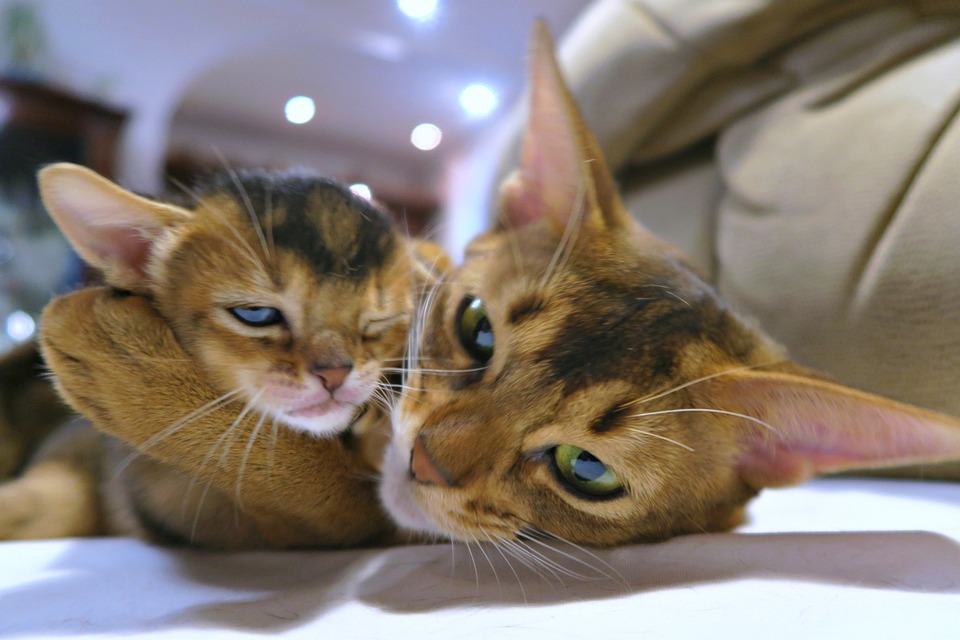
Abyssinian Companions: Unveiling Their Playful Personality Traits
Abyssinian cats, known for their captivating appearance and lively personality, have charmed pet lovers for generations. With a history dating back to the 19th century, they’re believed to have originated in Ethiopia, formerly known as Abyssinia. Their unique, ticked fur and distinctive “M” shape on their forehead make them stand out. While their looks are enchanting, it’s their playful personality traits that truly win hearts.
Overview of Abyssinian Cats
History and Origin
The Abyssinian breed’s history remains somewhat mysterious. Many believe these cats originated in Africa, with evidence suggesting they might have been revered by ancient Egyptians. They were first recognized as a distinct breed in England during the late 1800s. The first Abyssinian cat registered was named “Zula,” and since then, the breed has garnered popularity worldwide.
Temperament and Personality Traits
Abyssinians are often described as energetic, curious, and intelligent. Here are some key personality traits:
- Playful: Abyssinians love to play and engage in activities that challenge their minds and bodies. They thrive on interaction, making them entertaining companions.
- Affectionate: While they might initially seem reserved, once they trust you, Abyssinians form strong bonds and enjoy curling up next to their owners.
- Social: They get along well with kids and other pets, making them suitable for various households.
- Inquisitive: Their love for exploration means they might get into places you wouldn’t expect, so keeping your home pet-friendly is essential.
Grooming Needs
Grooming an Abyssinian is relatively easy due to their short coat. Regular brushing with a soft brush helps remove loose hair and maintain a clean appearance. Bathing is rarely necessary, but occasional baths can help if they get especially dirty.
Health Considerations
Abyssinians are generally healthy cats, but they can be prone to specific conditions, including dental issues and genetic disorders like amyloidosis. Regular veterinary check-ups and a balanced diet can manage their health effectively.
Suitability for Households
Due to their playful and social nature, Abyssinians do well in active households. They need stimulation, so families with children or other pets can provide them with the engagement they crave. They are also suitable for single owners as long as they get enough interaction.
Caring for an Abyssinian
Caring for an Abyssinian involves more than just meeting their basic needs. Here are some tips on training, socializing, and overall care:
Training Tips
- Positive Reinforcement: Use treats and praise to reward good behavior. This encourages them to repeat those behaviors.
- Short Sessions: Keep training sessions brief and fun, lasting no more than 10-15 minutes.
- Interactive Play: Engage them in play with toys that stimulate their hunting instincts, such as feather wands or laser pointers.
Socializing
- Introduce Gradually: If you have other pets, introduce them slowly to reduce stress.
- Expose to New Environments: Take your Abyssinian on short trips to different places to help them adapt to new experiences.
General Care
- Provide a balanced diet suited for their age and health.
- Ensure they have toys and activities to keep them stimulated.
- Schedule regular veterinarian visits for vaccinations and dental care.
emotional support animals (ESA)
An emotional support animal (ESA) is a pet that provides comfort and support to individuals experiencing emotional or psychological challenges. Unlike service animals, ESAs don’t need to have specialized training; their primary role is to offer companionship and alleviate feelings of anxiety, depression, and loneliness.
Benefits of Having an ESA
Many people find joy and relief in having an ESA. Here are some ways they support emotional well-being:
- Reducing Anxiety: Simply petting a dog or cat can trigger the release of oxytocin, promoting feelings of calm and trust.
- Providing Companionship: Having a furry friend can combat feelings of loneliness and provide a sense of purpose.
- Encouraging Routine: Pets require care and attention, helping owners maintain routines, which can be crucial for mental health.
Real-Life Examples
- Combatting Anxiety: Sarah had crippling anxiety that made even simple outings feel daunting. After adopting her Abyssinian, she noticed that just holding him during stressful moments calmed her nerves.
- Fostering Connection: Jack was feeling isolated after moving to a new city. His Abyssinian became his closest companion, helping him open up and make new friends through community pet events.
Key Information
- Abyssinians are playful, affectionate, and social pets.
- They require minimal grooming and are generally healthy.
- Suitable for active families or individuals as companions.
- Emotional Support Animals help alleviate feelings of anxiety and loneliness.
- ESAs improve mental health by providing comfort and routine.
How Dogs and Cats Provide Emotional Support
Research indicates that pets can have a profound effect on our mental health. Here’s the science behind it:
- Oxytocin Release: Interactions between pets and their owners can elevate oxytocin levels, the “feel-good” hormone, creating feelings of happiness and calm.
- Lowering Cortisol Levels: Spending time with pets can reduce cortisol, the stress hormone, thereby helping to manage anxiety.
- Behavioral Benefits: Caring for a pet encourages physical activity, social interaction, and routine, all factors that contribute positively to emotional health.
FAQs about Emotional Support Animals
-
What qualifies a pet as an Emotional Support Animal?
- A pet qualifies when it provides comfort and emotional support to an individual with a mental health condition, as acknowledged by a licensed mental health professional.
-
Do ESAs require special training?
- No, ESAs do not require specialized training. Their primary role is to offer companionship and comfort.
-
Can any pet be an Emotional Support Animal?
- Yes, while dogs and cats are the most common, almost any animal can be designated an ESA, provided they help the owner emotionally.
-
Do I need a doctor’s note for an ESA?
- Yes, you typically need a letter from a licensed mental health professional to have your pet recognized as an ESA.
-
Are ESAs allowed in all housing?
- Under the Fair Housing Act, ESAs cannot be denied housing access even in pet-free apartments.
-
Can I take my ESA anywhere?
- ESAs do not have the same access rights as service animals. They are mainly allowed in housing and some public places but not everywhere.
-
Do I need to register my ESA?
- While there’s no official registry, obtaining a letter from a mental health professional is key for recognition.
-
Can I travel with my ESA?
- It varies by airline. Check their policies in advance as some may allow ESAs in the cabin with a valid letter.
Conclusion
Abyssinians make delightful companions for those looking for a lively, affectionate pet. Recognizing their playful personality traits and understanding their care will lead to a rewarding relationship. Moreover, if you’re considering the emotional support benefits of having a furry friend, getting certified as an Emotional Support Animal can enhance your life significantly.
For more information and to get your dog or cat certified as an ESA, visit Veripaw.org. Since 2012, Veripaw has been connecting pet owners with licensed mental health professionals, simplifying the process of obtaining ESA documentation, and offering high-quality pet accessories. Embrace the joy and support that an Abyssinian or any pet can provide—your mental and emotional health will thank you!


