
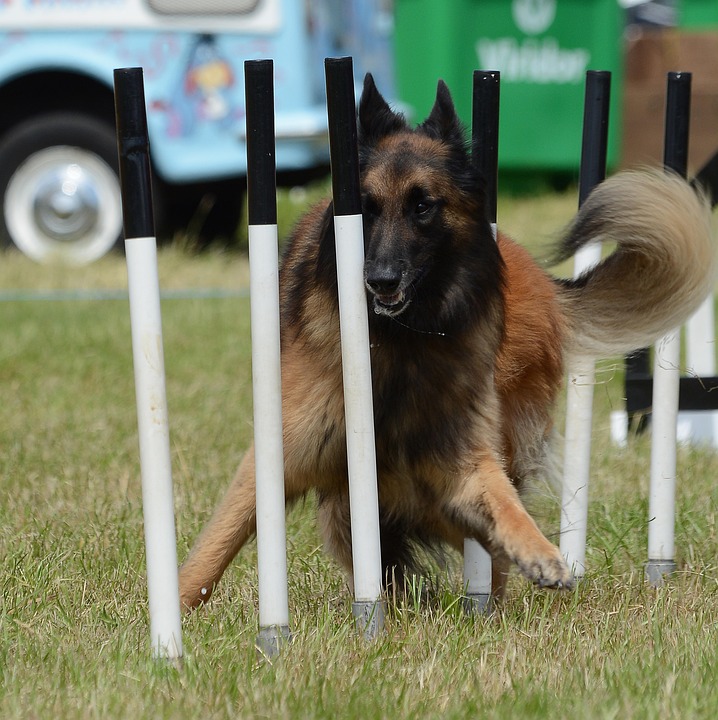
10 Reasons the Belgian Tervuren is Your Perfect Family Companion
When it comes to choosing a family dog, many factors come into play: temperament, energy level, grooming needs, and health considerations are all important. The Belgian Tervuren, one of the four Belgian herding breeds, shines as a remarkable companion. This article explores various aspects of the breed while also discussing the role of emotional support animals (ESAs) and how these dogs enrich our lives beyond just companionship.
Overview of the Belgian Tervuren
History
Originating in Belgium in the late 1800s, the Tervuren was bred primarily for herding sheep. Named after a village in Belgium, these dogs were developed alongside the Malinois, Laekenois, and Groenendael breeds. Their intelligence and versatility made them not just excellent herders but also formidable working dogs in various settings, including search-and-rescue missions and police work.
Temperament
Tervurens are known for their friendly and loyal disposition. They are often described as intelligent and eager to please, making them highly trainable. The breed is generally good-natured, showing affection towards family members, including children, while also being protective when needed.
Personality Traits
These dogs have a vibrant personality characterized by their playful nature and boundless energy. They require mental and physical stimulation to keep them happy and well-rounded. A lack of stimulation can lead them to develop behavioral problems. However, their enthusiastic engagement in family activities makes them excellent companions.
Grooming Needs
Belgian Tervurens have a thick double coat that requires regular grooming. Brushing once or twice a week minimizes shedding and keeps their coat healthy. They typically shed more heavily in spring and fall, so additional grooming during those times can be beneficial.
Health Considerations
The breed is generally healthy but can be prone to certain conditions like hip dysplasia and progressive retinal atrophy. Regular vet check-ups and a well-balanced diet can help maintain their health. The average lifespan of a Tervuren is around 12 to 14 years, a good target for prospective pet owners to keep in mind.
Suitability for Different Households
Belgian Tervurens do best in active households where they can participate in family activities. They thrive in environments that allow for sufficient exercise and mental stimulation. Whether you live in a house with a large yard or an apartment, if you can provide daily walks and playtime, a Tervuren could fit into your lifestyle.
Tips for Training, Socializing, and Caring for the Breed
Training
Start training while your Tervuren is still a puppy to lay a foundation for good behavior. They respond well to positive reinforcement techniques, such as treats and praise. Consider enrolling in puppy classes for both education and socialization with other dogs.
Socializing
Expose your Tervuren to various people, dogs, and environments early on. Taking them to parks, dog-friendly events, and pet stores can help them develop well-rounded social skills and reduce shyness or aggression.
Caring
Daily exercise is crucial; aim for at least 60 to 90 minutes of activity each day. This can include walks, dog sports, and playtime. Regular grooming will help keep their coat in excellent condition, and routine vet visits will catch any health issues early.
Understanding Emotional Support Animals (ESAs)
An emotional support animal (ESA) is a pet that provides comfort, support, and emotional well-being to its owner, particularly during stressful or challenging times. Unlike service dogs, which are trained to assist individuals with physical disabilities, ESAs do not require specialized training and are intended for emotional or mental health support.
Why Designate Your Pet as an ESA?
Having an ESA can significantly improve mental health. These animals offer unconditional love and companionship, leading to stress reduction and improved emotional well-being. People benefit from ESAs in several ways, including:
- Reduced Anxiety: A Tervuren can provide a soothing presence during anxious moments.
- Enhanced Social Interactions: Walking with your dog often leads to social engagements with fellow pet owners, reducing feelings of isolation.
- Routines and Responsibilities: Caring for an ESA instills a sense of purpose and routine, which can be crucial in managing mental health conditions.
Mental and Emotional Health Benefits
Real-life examples illustrate how dogs help improve emotional well-being:
- Comfort During Crisis: For individuals going through loss or grief, the presence of a dog can be incredibly comforting. The act of petting a dog releases oxytocin, a hormone that promotes bonding and reduces stress.
- Support for Anxiety Disorders: Individuals with anxiety often find solace in the non-judgmental presence of a pet. The routine of walking a dog can also serve as a grounding exercise, promoting mental clarity.
- General Companionship: The simple act of having a dog to come home to can significantly lift one’s mood, providing companionship and stability in turbulent times.
Key Information
- History: Originated in Belgium for herding; also used in various jobs.
- Temperament: Friendly, loyal, and eager to please.
- Grooming Needs: Thick double coat; regular grooming required.
- Health: Generally healthy but check for hip dysplasia and other concerns.
- Training: Start young; use positive reinforcement.
- Socialization: Introduce to various environments early.
- Suitability: Best for active families or individuals who can provide exercise and mental engagement.
- ESAs: Provide emotional and mental health support without requiring specialized training.
How Dogs and Cats Provide Emotional Support
The Science and Psychology
Numerous studies have shown that interactions with pets can produce physiological changes in humans that boost mental health:
- Oxytocin Release: The bond between humans and animals increases oxytocin levels, often called the “love hormone,” which has a calming effect.
- Lower Cortisol Levels: Interacting with pets reduces cortisol, a hormone related to stress, and promotes relaxation.
- Increased Dopamine and Serotonin: These feel-good chemicals can improve mood and lessen feelings of anxiety and depression.
FAQs About Emotional Support Animals
-
Do ESAs need to be trained?
- No, ESAs do not require specific training like service animals. They provide emotional comfort through their presence.
-
Can any pet be an ESA?
- While dogs and cats are the most common ESAs, any animal can be designated an ESA if it provides emotional support.
-
What documentation do I need for an ESA?
- A letter from a licensed mental health professional is typically required to validate your need for an ESA.
-
Can I take my ESA anywhere?
- ESAs do not have the same access rights as service dogs; however, they are often allowed in housing situations that have pet restrictions.
-
What are the benefits of having an ESA?
- Many individuals report lower stress levels, improved mood, and better overall mental health when they have an ESA.
-
Are there training programs for ESAs?
- While ESAs do not require formal training, obedience training can be beneficial for both the pet and owner.
Conclusion
If you’re considering a family dog that embodies loyalty, intelligence, and companionship, the Belgian Tervuren serves as an excellent option. Not only can they be a loving family pet, but they can also excel as Emotional Support Animals, enriching your life in profound ways.
For those interested in getting certified as an Emotional Support Animal, Veripaw.org is a trusted resource. Since 2012, they have connected pet owners with licensed mental health professionals and helped obtain ESA documentation, alongside offering high-quality pet accessories. Take the first step towards a more fulfilling and emotionally supported life today!


